I’m proud to share that Biochar Kilns International reached Stage 4 out of 5 stages of the Kinjani Lab Funding Application Process, a highly competitive accelerator for climate ventures across Africa.
The Five Stages
- Mandate Fit Screen – checking alignment with Kinjani’s science, business, and people focus.
- Detailed Application – a deeper dive into our science, commercial position, and validation pathway. 8 hours of preparation.
- Initial Interviews – Five minute video explaining our mission, followed up by a 15 minute interview clarifying key aspects of our venture.
- Panel Presentation & Q&A – presenting to technical and investment reviewers. 5 minute PowerPoint presentation followed up by a 20 minute interrogation by 3 panel members (Think Dragons Den)
- Cohort Selection – final decisions and funding offers.
We advanced through the first four stages and presented at the Panel Presentation stage, but were not selected to participate in the programme. Out of 19 ventures that reached Stage 4, only 10 were likely shortlisted to participate in the final cohort. From those, usually around 5 ventures receive funding after completing the programme, which runs for another four months.
About the Funding
The Lab offers non-dilutive capital – a returnable grant of $15K–$30K designed for early-stage operations like pilot trials, science validation, and prototypes. Ventures repay the grant only if they raise funding within 12 months, so the capital can be recycled to support future founders. If no funding is raised at 10x the grant amount, the grant is not repayable.
Feedback from the Panel
Although we weren’t selected for the final cohort, the panel recognized the strength of our technical approach and the importance of tackling adoption bottlenecks in regenerative agriculture. Their feedback highlighted three key areas to strengthen:
- Evidence that farmers will purchase kilns at commercial pricing and sustain usage over time.
- A bottom-up cost model and clear farmer ROI case.
- Formalized distribution, training, and support partnerships.
Reaching Stage 4 in such a competitive process is a significant achievement. It shows that Biochar Kilns International is being recognized among serious climate ventures, and with your support, we’ll continue refining our commercial model, strengthening partnerships, and building the evidence needed to scale.
Call to Action
👉 👉 If there are projects out there interested in trialing our kilns please get in touch. You pay for the trials, but retain the kiln and demonstration site to continue producing biochar for your project.
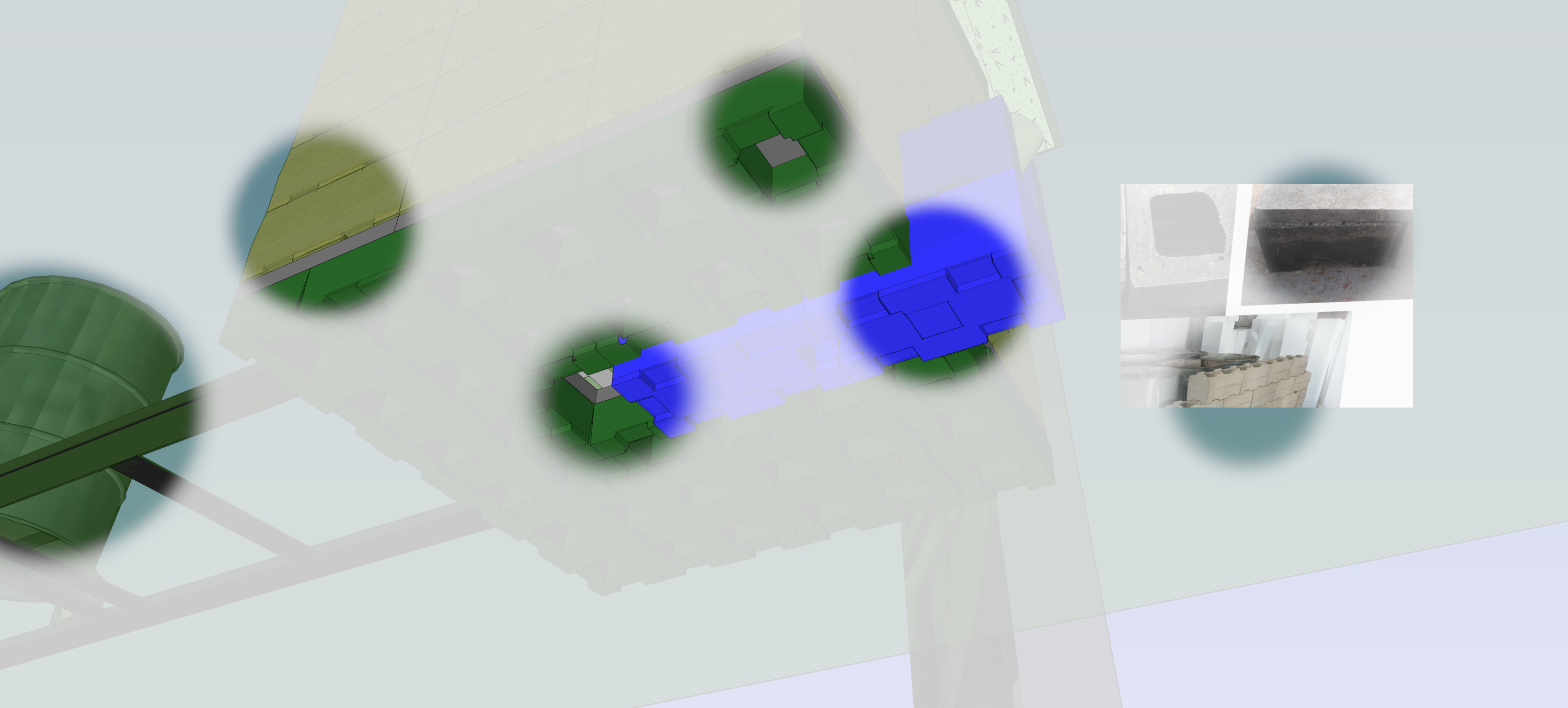
To view a snapshot of our technology, become a Patreon member. We have already developed the moulds for the interlocking refractory bricks that will be used in the kiln. Once fired, the refractory materials prevent cracking and eliminate crystalline water. Standard cinder blocks are unsuitable because they still contain moisture even after drying.
The foundation of the kiln is lined with gravel (to prevent moisture rising) and custom-built hardened bricks, while the rocket stoves that supply heat into the retort are also made from refractory-fired materials. Airflow through the kiln will be tested by a partner company in Stellenbosch, along with the roof structure, chimney, and wood vinegar components.
Why We Built a Refractory Brick Kiln
At Biochar Kilns International, our goal is to design a portable, modular, and durable kiln that can reliably produce biochar under real‑world conditions. The refractory brick design is central to achieving this.
- Durability at High Temperatures Standard cinder blocks are unsuitable because they retain moisture even after drying, which leads to cracking under heat. By contrast, our refractory bricks — once fired — eliminate crystalline water and resist thermal stress, ensuring the kiln can withstand repeated cycles without failure.
- Efficient Biochar Production The kiln foundation is lined with hardened bricks, and the rocket stoves supplying heat into the retort are also refractory‑fired. This creates a stable, high‑temperature environment for consistent biochar output.
- Engineering for Scalability Interlocking refractory bricks make the kiln modular and portable, so it can be deployed in different locations and scaled (lengthened) to suit varying project sizes.
- Validation Through Pilots Airflow, roof structure, chimney, and wood vinegar components will be tested with a partner company in Stellenbosch. These pilots are not just technical trials – they generate the data we need to prove farmer ROI and strengthen our commercial case.
- Low Cost through DIY assembly (See below)
- Social Impact We already have semi‑formalized agreements with an NGO to assist in managing pilot projects. Their staff, registered through YES (Youth Employment Service), provide project management capacity while creating employment opportunities for young people in South Africa.
Why Our Kilns Are Lower Cost
One of the biggest advantages of our design is cost. The kilns are competitively priced, cheaper than most alternatives, and fully insulated against heat and fire exposure – plus we want to supply it in a DIY kit with video instructions.
Imported Chinese retorts, for example, are typically made from low‑quality mild steel. The fireboxes often burn through within the first 100 runs, meaning they barely last a year and require arduous maintenance. By contrast, our approach uses 55‑gallon drums as the actual retorts. Because of this, the surrounding structure does not require an airtight seal, simplifying construction and reducing costs.
A slow overnight cool‑down, facilitated by medium‑density refractory firebricks, improves the quality of the biochar produced. The kiln is also designed for ease of use: loading and unloading the drums happens from the side, with the entire side of the kiln sliding open.
This combination of affordability, durability, and thoughtful engineering makes our kilns a practical solution for projects that need reliable biochar production without the high maintenance burden of imported units.
We also offer a very small unit for backyard enthusiasts and this kiln will be the vehicle through which we will promote our technology.
Visit my Patreon: https://www.patreon.com/c/bki/membership or view this post: https://www.patreon.com/posts/biochar-kilns-4-154026773
In South Africa we already have semi-formalized agreements with an NGO to assist in managing pilot projects. They provide project management capacity, and their staff are registered through YES (Youth Employment Service) – a high-impact, private-sector-led non-profit in South Africa tackling youth unemployment. This means we can run pilots effectively, gather the data we need, and simultaneously create employment opportunities for young people.
Thank you for being part of this journey. Each step – even when funding isn’t secured – brings us closer to creating lasting impact in regenerative agriculture.
PORTABLE, MODULAR, DURABLE BIOCHAR KILNS

 BKI
BKI 