In the quest for sustainable and efficient heating solutions, wood pellet burners have emerged as a promising alternative to traditional wood burning and fossil fuel-based systems. These burners utilize wood pellets, which are compacted sawdust and wood residues, offering a renewable, efficient, and environmentally friendly way to heat homes and even produce biochar. This blog post delves into the advantages of wood pellet burners, their operational efficiency, and their potential role in biochar production.

Renewable Fuel Source
One of the primary benefits of wood pellet burners is their reliance on a renewable fuel source. Wood pellets are made from compressed sawdust and wood residues such as bark and chips from sawmills. These materials are waste by-products of the timber industry that would otherwise go unused. By utilizing these residues, wood pellet burners help eliminate waste and maximize the environmental value of harvested trees[1].
Lower Particulate Emissions
Compared to traditional wood burning and multi-fuel stoves, wood pellet burners produce significantly lower particulate emissions. Burning wood logs inefficiently can lead to the release of harmful pollutants like nitrous oxide and particulate matter, which are detrimental to both health and the environment. In contrast, wood pellet burners feature advanced combustion systems that ensure efficient burning, resulting in lower emissions. For instance, burning wood pellets produces about 90% less ash compared to burning wood logs[1].
The reduction in particulate emissions is crucial, especially in light of government initiatives aimed at improving air quality. In the UK, for example, the Clean Air Strategy targets a reduction in particulate matter emissions by 2030. Switching to wood pellet stoves or burners can significantly contribute to this goal by reducing harmful emissions and improving overall air quality[1].
Efficient Heating
Modern wood pellet burners are designed with efficiency in mind. These appliances boast high energy density and advanced combustion systems that allow them to produce more heat using less fuel. This efficiency translates into lower emissions and reduced fuel consumption. For instance, pellet stoves certified by the EPA are likely to be in the 70% to 83% efficiency range, making them one of the cleanest solid fuel residential heating appliances[2].
The high efficiency of wood pellet burners also means lower heating bills. The cost of wood pellets has been relatively stable over the past decade, unlike the fluctuating prices of fossil fuels. This stability, combined with the efficient burning of pellets, can significantly offset home heating costs. In many cases, the savings from using a wood pellet stove can pay for the initial investment in just a few years[1].
Convenience and Ease of Use
Wood pellet burners are not only efficient but also convenient to use. Unlike traditional wood logs, wood pellets are clean-handling and easily automated. They come in high-density bags that take up less space, making them ideal for homes with limited storage. The automated biomass wood pellet hopper in these stoves / burners allows for unattended operation, eliminating the need to store and handle messy logs[1].
The ease of use extends to the maintenance of these stoves / burners. Cleaning is straightforward, typically involving the vacuuming of ash after burning several bags of pellets. Advanced models come with features like remote control and thermostat adjustments, ensuring a consistent and comfortable temperature without the hassle of manual adjustments[1].
Environmental Sustainability
Wood pellet burners are CO2 neutral, meaning they do not contribute to net greenhouse gas emissions. The carbon dioxide released during the burning of wood pellets is equal to the amount of CO2 absorbed by the trees during their growth. This makes wood pellet burners an environmentally friendly option compared to fossil fuels, which release stored carbon into the atmosphere[3].
Additionally, the production of wood pellets adheres to high-quality standards. Premium wood pellets, for example, are made from sustainably sourced organic wood fibers and are certified to international standards. These pellets produce a consistent, high BTU output with minimal ash content, ensuring a cleaner and more efficient burn[3].
Potential for Biochar Production
While wood pellet burners are primarily used for heating, they can also be adapted for biochar production. Biochar is a form of charcoal that is produced through the pyrolysis of organic materials in the absence of oxygen. This process can be integrated with a Biochar Retort system to replace wood fuel / firewood.
This biochar can then be used as a soil amendment, helping to sequester carbon in the soil and improve soil fertility.
The efficiency of wood pellet burners makes them well-suited for this application. The high energy density of wood pellets ensures a consistent and controlled heat output, which is crucial for the pyrolysis process.
Economic Considerations
While the initial cost of a wood pellet burner may seem high, the long-term benefits and savings can be substantial. Wood pellet boilers, for example, can cost between £4,000 to £15,000 in the UK, excluding installation costs. However, these costs are offset by the lower running costs and the stability of wood pellet prices compared to fossil fuels[4].
Grants and subsidies, such as the Boiler Upgrade Scheme (BUS) and ECO4 scheme in the UK, can also help mitigate the initial investment costs. These programs aim to encourage the adoption of more efficient and environmentally friendly heating systems, making wood pellet burners a more accessible option for homeowners[4].
Conclusion
Wood pellet burners offer a compelling solution for those seeking efficient, environmentally friendly, and cost-effective heating. By utilizing a renewable fuel source, these burners reduce particulate emissions and lower heating bills. Their convenience, ease of use, and high efficiency make them an attractive alternative to traditional heating methods.
Moreover, the potential for integrating wood pellet burners into biochar production systems adds another layer of sustainability to these appliances. By producing biochar, these systems can contribute to carbon sequestration and soil improvement, further enhancing their environmental benefits.
In summary, wood pellet burners are a forward-thinking choice for heating and biochar production, combining efficiency, sustainability, and economic viability in a single solution. As we continue to navigate the challenges of climate change and energy sustainability, wood pellet burners stand out as a practical and environmentally conscious option for the future.
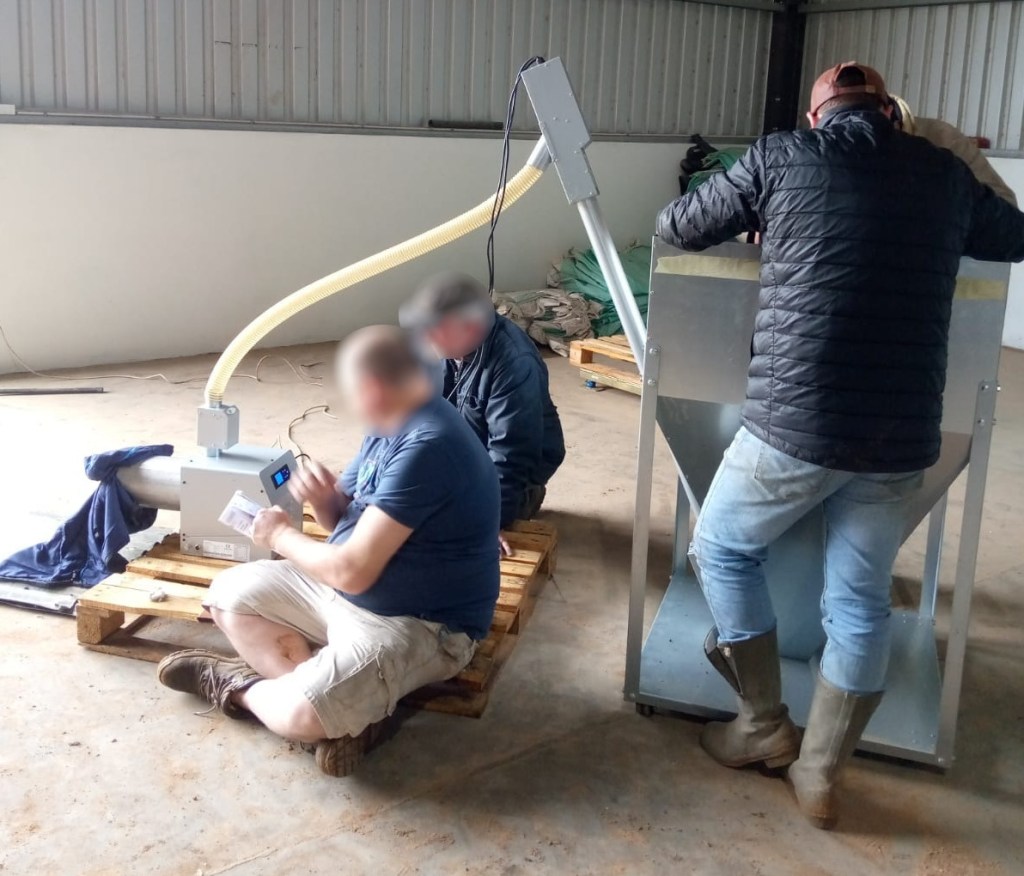
Bio Agri Group is currently experimenting with incorporating fuel pellet burners as an alternative to wood fuel https://www.instagram.com/bio_agri_group_za/
Citations:
[1] https://www.islandpelletstoves.co.uk/why-wood-pellet-stoves-are-better-for-the-environment/
[2] https://www.energy.gov/energysaver/wood-and-pellet-heating
[3] https://italfire.co.za/product/wood-pellets/
[4] https://www.greenmatch.co.uk/blog/2015/02/pros-and-cons-of-wood-pellet-boiler
[6] https://calore.co.za/product-category/fireplaces/freestanding/pellet/
[7] https://thefireworks.co.za/shop-online/fire-places/freestanding/pellet
[8] https://www.treehugger.com/are-pellet-stoves-a-good-heating-option-4863820

 BKI
BKI 